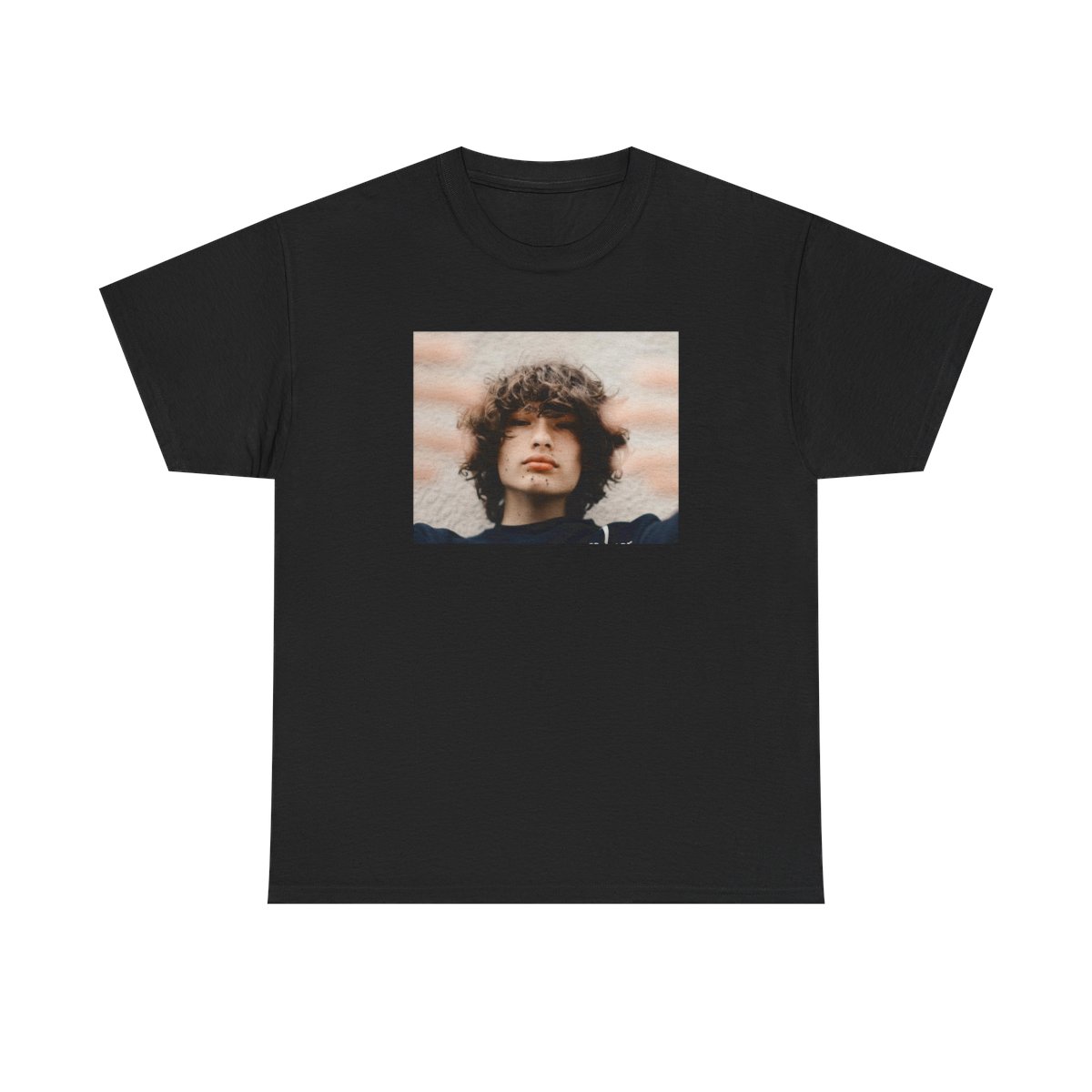
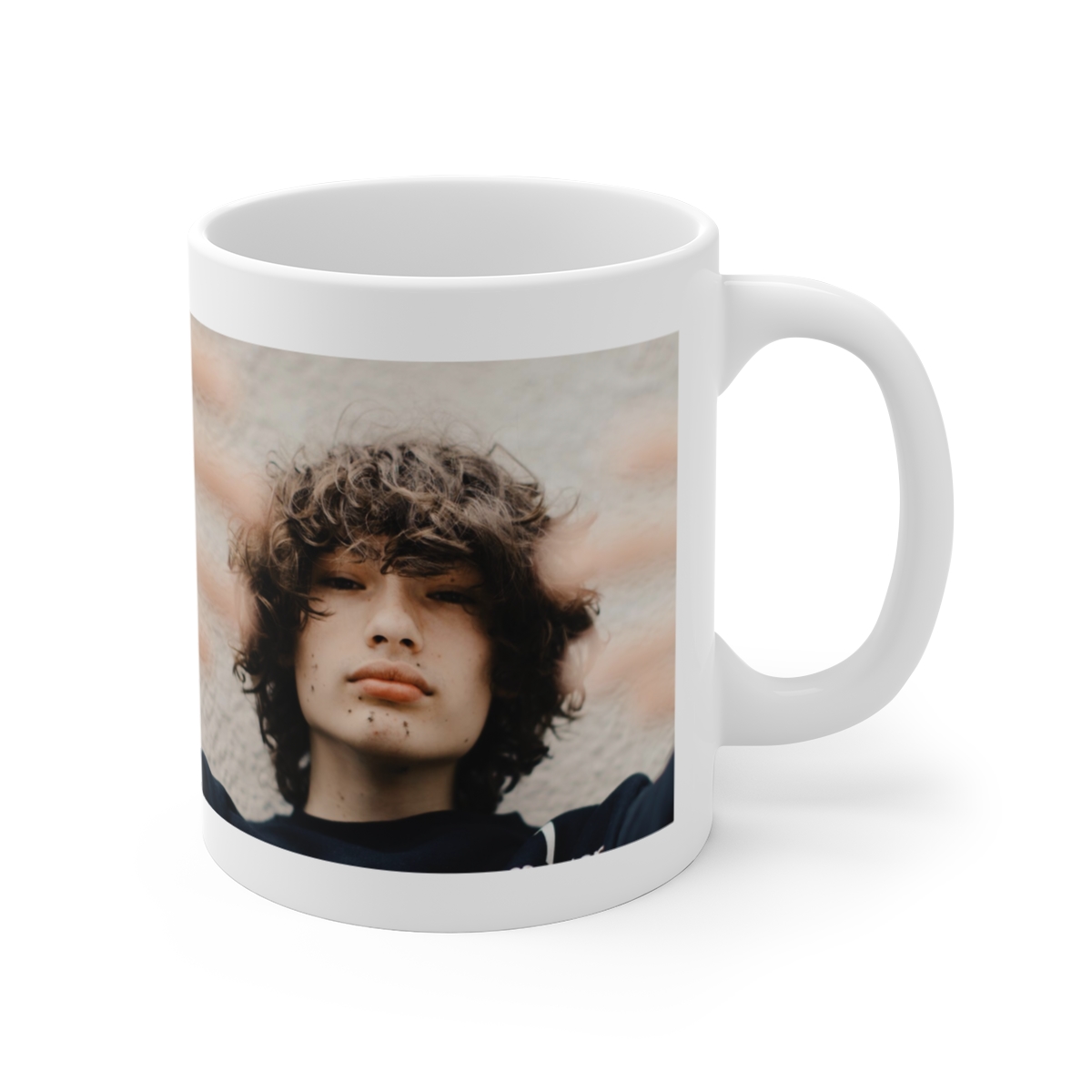
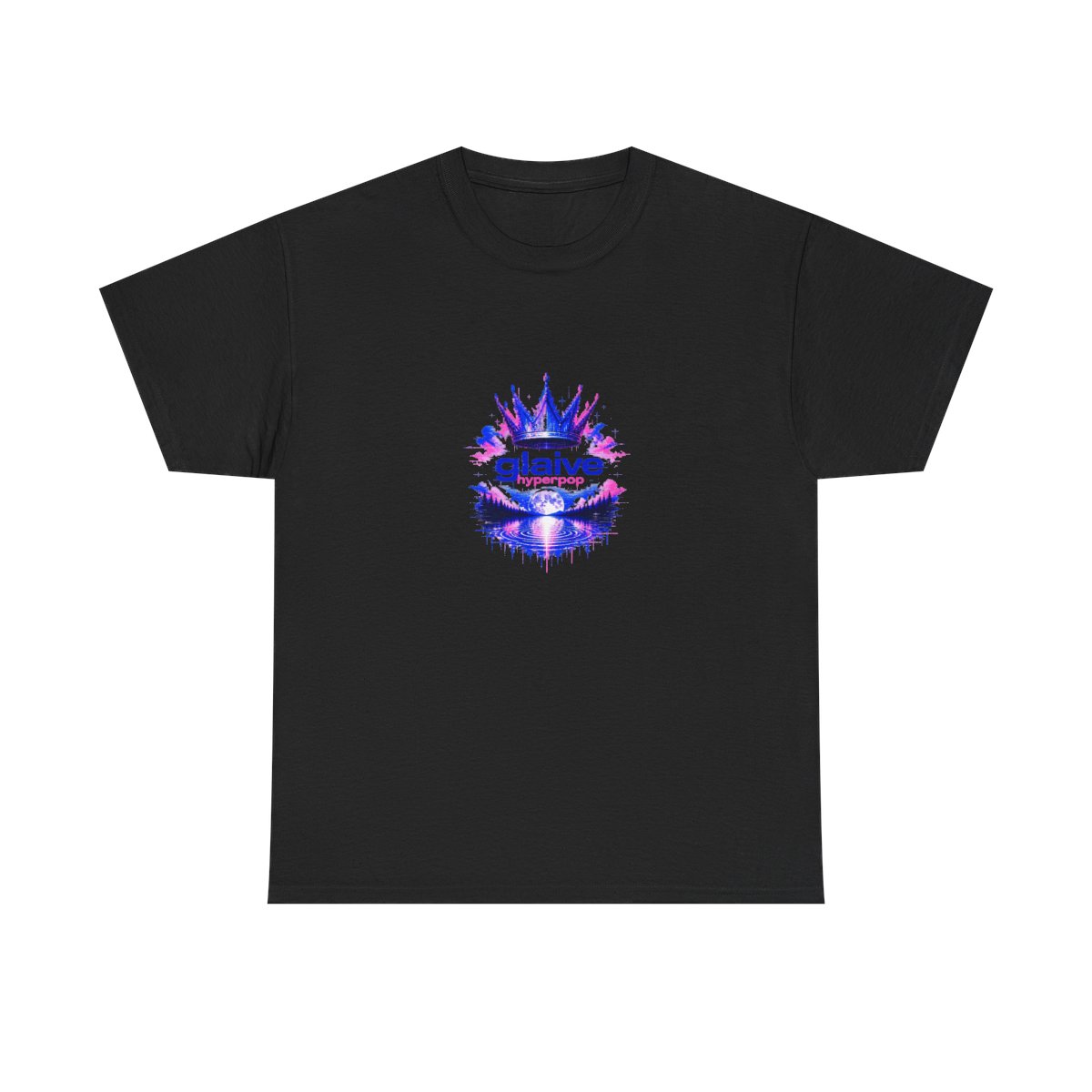
You're scrolling through Glaive's latest drop, and the designs hit you like a corrupted JPEG. Fragmented text, color shifts, static lines. It looks broken on purpose. But what do these visual ruptures actually mean? For fans who want to understand the Glaive merch designs meaning, this article unpacks the symbols, references, and emotional weight behind the glitch aesthetic.
← Back to Blog
Decoding Glaive's Glitch Aesthetics in His Merch Designs
Dive into the meaning behind Glaive's glitch-inspired merch designs. From distorted text to pixelated faces, explore the symbols that define his visual identity and why fans connect with the chaos.
The Origins of Glitch Art in Glaive's Visual Identity
Glaive didn't just pick glitch art because it looks cool. It's a direct reflection of his musical style - hyperpop and emo rap built on distorted vocals, abrupt tempo shifts, and lyrical themes of digital isolation. The visual language emerged naturally from that sound.
The glitch aesthetic borrows from early internet era errors: corrupted image files, VHS tracking lines, and CRT monitor static. Glaive's team intentionally replicates these failures. Designs often feature chromatic aberration (color fringing), pixelation, and data moshing. These aren't random - they mimic the feeling of a file that's been opened wrong.
The Role of Digital Decay
Digital decay works as a metaphor. Glaive's lyrics often touch on instability - in relationships, mental health, identity. The glitchy designs make that instability visible. Scanlines cut across a face. Text splinters mid-word. The garment becomes a canvas for that fractured emotion.
In my experience consulting with artists on visual branding, the most effective designs are those that feel inevitable - where form and content fuse. Glaive's glitch work achieves that. It's not decoration; it's translation.
Key Symbols and Their Stories Across Eras
Glaive's merch has evolved, but certain symbols recur. Each carries specific meaning.
Distorted Text
Text on Glaive's shirts rarely appears clean. Lyrics like "I'm not okay" might be stretched, overlapped, or reversed. This isn't just for aesthetic tension - it mirrors how communication breaks down in digital spaces. Words get scrambled in texts, DMs, comments. The distortion represents miscommunication and the gap between what we feel and what we express.
The YALL Logo
The "YALL" logo - used heavily around his 2022-2023 era - appears in a corrupted typeface, often with horizontal lines cutting through it. YALL stands for "You All" but also references his tour name. The static overlay suggests a broadcast signal lost. It's a nod to the way we're all constantly broadcasting ourselves online, but often getting interrupted.
Pixelated Faces and Obscured Identities
Many designs hide or distort faces. This taps into internet anonymity and the hyper-specific relatability of being seen yet unseen. On "The Troubles" album art, a face is reduced to pixel blocks. The merch adapts that, turning the viewer's gaze into a technical glitch. It says: you recognize me, but you don't have the whole picture.
Color Palette
- Bright neon pink and green against black background
- Washed out cyan and magenta (like a corrupted JPEG)
- Grayscale with single color accents
These colors aren't random. They mimic the fluorescent hues of early web design and artificial light. They signal artificiality - nothing natural, everything processed.
How the YALL Tour and The Troubles Era Are Reflected in Merch
Glaive's live tours and album cycles have distinct visual identities. The merch from each era carries specific design cues.
YALL Tour Merch (2022-2023)
The YALL Tour merch leaned heavily on the corrupted broadcast aesthetic. Hoodies featured large back prints of the YALL logo with scanlines crossing through it. Tour dates were printed in a distorted monospace font. This wasn't just functional - it made each city stop feel like a transmission from a broken satellite.
One popular item was a black tee with a greenish-yellow static pattern and the phrase "IS THIS THING ON?" in bloated, bleeding text. It captured the anxiety of performance and connection.
The Troubles Era (2024-2025)
"The Troubles" album marks a shift toward darker, more personal themes. The merch reflects that. The central image - a glitched-out face against a blood-red background - appears on hoodies, shirts, and a limited-edition tote bag. The pixelation is heavier, the colors more saturated (deep reds, off-blacks).
A standout piece is the "Distorted Portrait" hoodie: a front-facing image of Glaive with his face fractured into jagged sections, like a broken mirror. On the sleeve, lyrics fragment: "I think I'm / I think I'm / fine." It's a literal representation of trying to hold yourself together.
Connection to Music
The glitch aesthetic isn't separate from the songs. On "The Troubles" tracklist, songs like "Static" and "Dead Pixel" reinforce the visual theme. The merch serves as a wearable bridge between the audio and the visual - making the music tangible.
Why Fans Resonate with the Chaotic Design Language
Fans don't just buy Glaive's merch because it looks edgy. They buy it because it articulates something they feel. The glitch aesthetic captures the experience of being online all the time: fragmented attention, overwhelming stimuli, the sense that reality itself is buffering.
Representation of Mental Health
Many fans cite the glitch designs as visual representations of depression, anxiety, or dissociation. The broken text and corrupted images mirror the internal experience of not being able to think clearly. One fan in a Reddit thread described wearing a Glaive shirt with a cracked design as "carrying a badge of surviving a hard crash."
Shared Internet Culture
Gen Z grew up with broken memes, glitched video calls, and corrupted downloads. The aesthetic is nostalgic in a specific way - it doesn't romanticize the past but acknowledges the shared digital struggle. When you wear a Glaive shirt with a garbled graphic, you're signaling membership in that culture.
Accessibility of Meaning
Crucially, the designs don't require explanation. They work on a gut level. You don't need to know the backstory to feel the distortion. But for those who dig deeper, the layers are there. That's what makes the Glaive merch designs meaning so effective - it rewards both casual wearers and dedicated fans.
Key Takeaways
- Glaive's glitch aesthetic originates from his hyperpop sound and themes of digital isolation, not just visual trends.
- Recurring symbols - distorted text, pixelated faces, static overlays - directly translate lyrical themes into visual form.
- The YALL Tour merch centered on corrupted broadcasts, while "The Troubles" era uses heavier pixelation and darker colors to reflect inward turmoil.
- Fans connect with the chaos because it mirrors the fragmented nature of online life and mental health struggles.
- Each garment is designed to feel like a broken object, but the intent and craft behind it are precise and intentional.
Frequently Asked Questions
What does the static overlay on Glaive's merch represent?
The static overlay mimics a corrupted video signal, representing the breakdown of communication and the noise of online life. It's a visual cue for the distortion between what is said and what is heard.
Why does Glaive use distorted text on his designs?
Distorted text symbolizes miscommunication and internal fragmentation. Glaive often writes about feeling misunderstood, and the scrambled letters make that emotion visible without needing words to explain it.
What inspired the YALL Tour merch aesthetic?
The YALL Tour aesthetic drew from old VHS broadcasts with tracking issues and static. It reinforced the tour's theme of connection through a broken medium - like trying to reach someone through a jammed signal.
How do Glaive's merch colors reflect his music?
The neon pinks, greens, and blues echo the artificial brightness of screens, while blacks and reds ground the designs in darker emotional tones. This palette matches the contrast between upbeat production and heavy lyrics in his music.
What is the meaning behind the glitch face on "The Troubles" merch?
The glitched face represents identity instability - the feeling of not recognizing yourself under pressure. The pixelation suggests that identity can be broken down into data points, but the whole picture remains incomplete.
Shop Glaive Merch
Official merchandise — premium quality, designed for the community.